
Selling a House With Mold in Texas: What You Have to Hand the Buyer
Selling a house with mold in Texas runs through two different statutes, and the standard disclosure form is not one of the places mold shows up by name. Here is how the pieces fit.

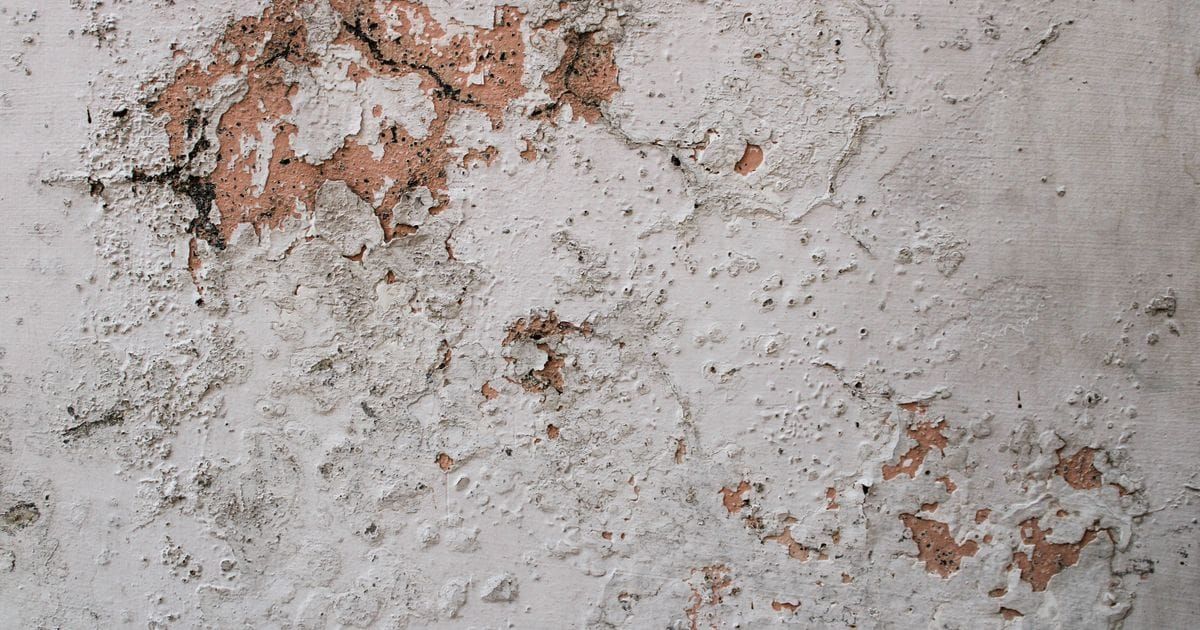
Selling a house with mold is legal in Texas, but it comes with a paper trail that many owners do not know about until a buyer's agent asks for it. The rules sit in two different places, and the form most sellers think of first is not where mold is covered by name. This guide walks through what the law says, what the form leaves out, and how to sell when the house still needs work.
Do I have to tell a buyer about mold in a Texas house?
If the house received a mold remediation certificate in the five years before the sale, the seller must give the buyer a copy of each certificate. That duty comes from Texas Occupations Code section 1958.154(b). The licensed remediator is required to deliver the certificate to the owner within 10 days of finishing the work, so keep it somewhere you can find it.
The five-year lookback matters because certificates are easy to lose. If you hired a remediation company a few years ago, call them and ask for a copy rather than assuming the buyer will not ask. A certificate you cannot produce is a problem you create for yourself at the closing table.

Does the Texas seller's disclosure notice ask about mold?
No. The seller's disclosure notice under Property Code section 5.008 does not contain a mold line item. Mold reaches that form only indirectly, through general condition questions about walls, ceilings and floors, water damage that did not come from a flood, drainage and items that need repair. Answer those questions honestly, because a leak that fed a mold problem belongs there.
The gap runs the other way too. Because the form is silent on mold, a clean-looking notice does not satisfy the certificate rule above. Treat them as two separate checklists: the notice for the general condition of the house, and the Occupations Code for any remediation certificates from the past five years.
What does a mold remediation certificate protect me from?
A valid certificate cuts off an owner's liability for mold remediation damages that accrued on or before the date the certificate was issued, under Occupations Code section 1958.303. It does not replace the duty to hand the certificate over. The two work together: the certificate shows the work was done, and delivering it is what lets the protection mean something in a sale.
That is also why an unfinished or undocumented cleanup is worse than a documented one. If someone scrubbed a bathroom wall and painted over it with no licensed remediator involved, there is no certificate and no cutoff. If you are unsure what was done before you owned the house, say so plainly instead of guessing.
Is selling a house with mold easier before or after remediation?
The honest answer depends on how much work you can fund and how long you can wait. Remediating first, getting a certificate and then listing gives a traditional buyer something concrete to review. Selling as-is skips that step and puts the condition on the table, which suits owners who are out of money, out of time, or living somewhere else.
Many owners dealing with this also have a leak, an insurance claim, or a tenant move-out running at the same time. Get a written scope of work and a quote before you decide, since you cannot compare the options without real numbers from a licensed professional. Do not rely on a figure from a blog post, including this one.
Who buys a house with mold in it, and does the water source matter?
Investors and cash buyers will often look at a house with mold, because they price the repair into the offer instead of asking the seller to fix it first. A team of Spring home buyers works this way for homeowners north of Houston, and the same approach applies across the metro. Expect the buyer to inspect, ask for any certificates, and explain how they arrived at their price.
The water source matters for your paperwork. The disclosure notice asks separately about flood damage and flood insurance claims, so a mold problem that began with a flood has to be reported in those answers. If you live in the Houston area and want an offer without repairs, you can talk with Houston home buyers who purchase houses in their current condition.
What should I gather before I talk to a buyer or an agent?
Start with every remediation certificate from the last five years, any inspection or moisture report, repair invoices, and insurance claim paperwork. Add the date the leak was fixed, if you know it. Having this folder ready speeds up any sale and keeps you from making statements you cannot back up.
If a title company, lender or buyer's attorney raises a legal question about disclosure, take it to a Texas real estate attorney. Rules change, and the facts of a particular house decide which ones apply.
This article is general information for Texas homeowners, not legal advice. Check the current statutes or talk with a licensed Texas attorney about your own sale.