
Teardown House in Bellaire: When an Older Home Is Worth More as Land
When builders want your lot more than your house: how a teardown is priced, why repairs rarely come back to you, what Texas still requires you to disclose, and how a teardown sale differs from a listing.

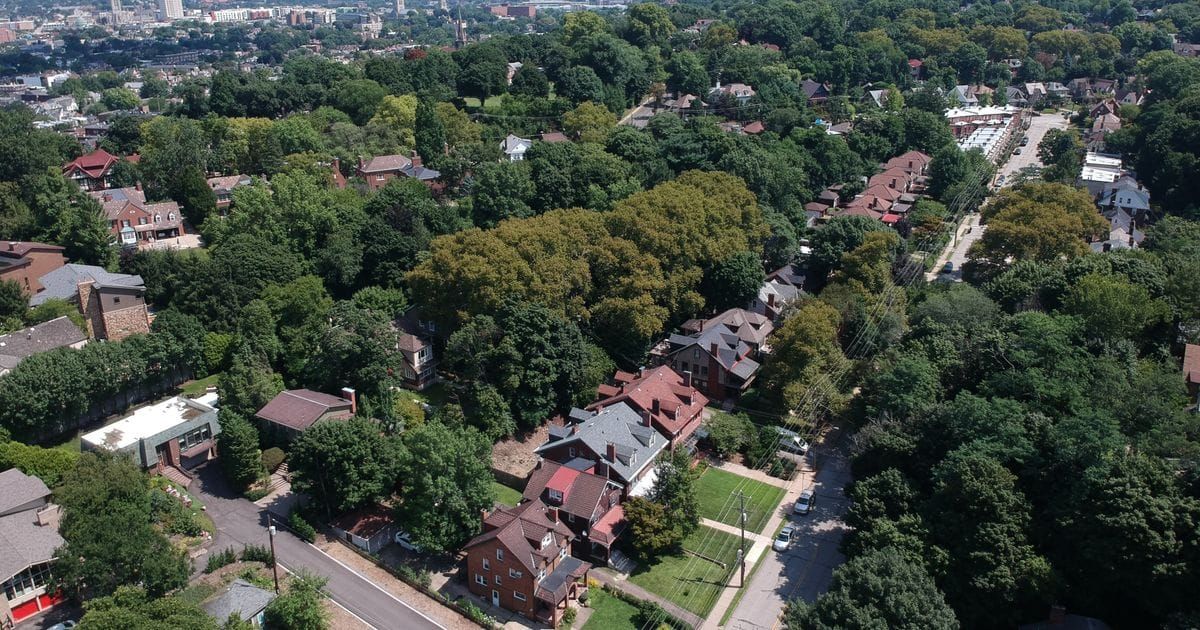
A teardown house is an older home that a buyer plans to demolish so a new one can go up on the same lot. That buyer is paying mostly for the land, not for the rooms you lived in. If you own an older house in Bellaire and builders keep asking about your lot, this guide explains how a teardown is priced, why repairs rarely pay, and how the sale differs from a normal listing.
What makes a house a teardown house?
A house becomes a teardown when the lot under it is worth more to a builder than the structure on top of it. Acquisitions teams describe the trigger as an obsolete structure on a high-land-value site: a small or dated house that buyers would rather replace than renovate. Age alone does not make a teardown. A well-kept older house can still sell as a home, while a tired one on a sought-after street may not.
The useful question is what your best buyer actually wants. If most callers talk about the size of house they could build, the width of the lot or the setbacks, rather than your kitchen, you are probably talking with buyers who see a teardown. That is not a judgment on the house you kept. It is a signal about where the value sits and which kind of buyer is likely to pay the most for it.

How do builders price a teardown house?
Builders price a teardown backward from the finished product. Their inputs are the value of the lot, the cost to demolish the existing house, the cost to build the new one, and what the finished home is expected to sell for. What is left after the build, the demolition and the builder's required margin is roughly what that builder can afford to pay you for the property as it stands today.
That arithmetic explains a few things sellers find surprising. Two very different houses on similar lots can draw similar offers, because the builder is valuing the dirt, not the drywall. An offer can also move when building costs or new-home prices move, even though nothing about your house changed. Ask any builder or investor to walk you through those inputs. A buyer who can explain how they reached a number is much easier to compare against the others.
Should you make repairs before selling a teardown house?
Usually not. A buyer who plans to demolish the house has no line in that math for new paint, carpet or a water heater, so money spent there is unlikely to come back to you in a teardown offer. The exception is a house that sits on the line. If your property could also sell to someone who wants to live in it, collect offers from both kinds of buyers before you spend anything on repairs.
Skipping repairs does not change what you owe a buyer in information. Texas Property Code §5.008 requires most sellers of a single-family home to give a written Seller's Disclosure Notice, and selling as-is does not create an exemption. For a house built before 1978, federal law also requires a lead-based paint disclosure. Fill out both forms honestly, even when you expect the buyer to clear the lot within weeks of closing.
How is a teardown sale different from a standard listing?
The biggest difference is who can buy and how they pay. A listed house usually goes to a buyer with a mortgage, and the lender is lending against the house itself. If the appraiser notes failing items, the report can come back subject to repair, and the loan will not fund until the work is finished and checked again. A worn older house can stall at exactly that step, even when the buyer still wants it.
When the buyer pays cash, no lender appraisal stands between you and closing, so the condition of the house matters far less. The questions shift to the land: zoning, utilities and access. If you want to compare a teardown offer against a listing, a search for we buy houses in Bellaire can turn up buyers who purchase older homes as-is. Ask each one how they would value your lot and what they would need from you before closing.
What should you gather before you talk to buyers?
Start with the paperwork that describes the land, because the land is what a teardown buyer is evaluating. Find your survey, your deed, your most recent appraisal district notice, and any deed restrictions or HOA documents that limit what can be built. Then fill out a draft of the Seller's Disclosure Notice. With those papers in hand, you can answer a builder's questions quickly and judge every offer on the same facts.
Get more than one number. Some buyers will see a teardown, others may see a house worth renovating, and their offers can be far apart. For a second comparison, investors who pay cash for houses in Houston can price the same property, and a side-by-side view shows whether the lot or the house is driving each offer. Choose the one whose math you understand and whose terms you can live with.
This article is general information, not legal advice. For questions about your disclosure duties or a specific contract, talk with a Texas real estate attorney.