
Deferred Maintenance: Selling a Beaumont House That Fell Behind on Repairs
A roof past its life, an aging AC, drainage that never got fixed: what deferred maintenance means for a Texas seller's disclosure, a buyer's loan, and the choice between repairing and selling as-is.


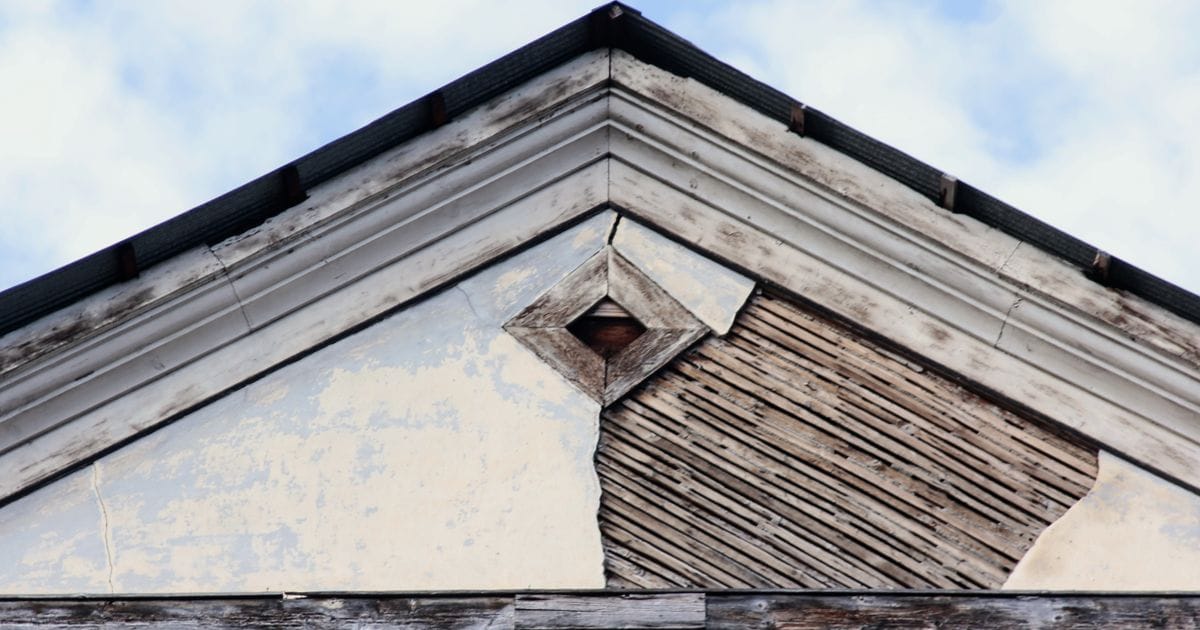
Deferred maintenance is the repair work a house needed but did not get: the roof that should have been replaced a few storms ago, the air conditioner kept alive one more summer, the leak under the sink, the yard that floods after heavy rain. If you own a Beaumont house that has fallen behind, this guide covers what that backlog means when you sell, what a buyer's lender looks at, and how to choose between catching up and selling as-is.
What counts as deferred maintenance on a house?
Deferred maintenance is any repair or replacement that was put off past the point where it should have been done. On a typical Southeast Texas house it shows up in the big systems: roofing, heating and cooling, plumbing, electrical, and drainage around the slab. Cosmetic wear like old carpet or dated paint is a separate matter. In a sale, the items that matter most are the ones a buyer, an inspector or a lender can point to as failing.
A useful first step is an honest list. Walk the house room by room and write down everything you know is broken, leaking, worn out or patched. Note the approximate age of the roof, the air conditioner and the water heater, along with any past repairs. You will need much of this information anyway, because Texas law asks you to put it in writing before you sell.
What does Texas require a seller to disclose about repairs?
Texas Property Code §5.008 requires most sellers of a single-family home to give the buyer a written Seller's Disclosure Notice. The form asks for the roof type and its approximate age, and whether you know of listed items "that are not in working condition, that have known defects, or that are in need of repair." A separate question asks whether you know of "any item, equipment, or system in or on the property that is in need of repair."
Several questions bear directly on a Gulf Coast house that has fallen behind. The notice asks about previous structural or roof repair, improper drainage, water damage not due to a flood event, water entering the house during a natural flood, past flood insurance claims, and FEMA or SBA help for flood damage. Selling as-is does not remove these questions. As-is describes who fixes things; the notice describes what you know.
The statute also says the notice is completed "to the best of seller's belief and knowledge," and that a seller who marks an item as unknown "is in compliance with this section." Some transfers are exempt, including sales by a fiduciary administering a decedent's estate and transfers under a court order or foreclosure sale. If you are unsure whether your sale is exempt, ask a Texas real estate attorney before you sign anything.
How does deferred maintenance affect a buyer's financing?
Deferred maintenance matters most when your buyer is using a mortgage, because the lender is lending against the house itself. The lender orders an appraisal, and an appraiser who sees a failing item can return the report "subject to repair." That condition keeps the loan from funding until the work is finished and checked again, and the seller is generally the one asked to complete it before closing.
The buyer's inspection can raise the same problem from another direction. If an inspector flags a structural or roof issue and recommends a specialist, that written report often reaches the lender. Once the lender has it in writing, the issue typically has to be resolved before the loan funds, even when the buyer still wants the house. Before you list, ask which items on your list an appraiser or inspector would notice on a first walk-through.
Should you catch up on repairs or sell the house as-is?
Catching up on repairs makes sense when the list is short, the fixes are clear, and you have the cash and the time to manage contractors. Get written bids for the items an inspector or appraiser is most likely to flag, usually the roof, the air conditioning and any active leak. Then compare that total against what the repairs are likely to add to your price. A local agent can pull comparable sales to help with that second number.
Selling as-is makes sense when the backlog is long, the costs are uncertain, or the house would struggle to pass a lender's appraisal at all. Below a certain condition, a cash buyer may be the only kind of buyer willing to purchase the house as it sits. Beaumont house buyers who purchase as-is typically ask about the roof, the systems and the foundation, estimate the repairs themselves, and make an offer that already accounts for the work.
How do as-is buyers price a house with deferred maintenance?
An as-is buyer usually starts from what the house would be worth after it is fully repaired, then subtracts the estimated repair cost and the margin the buyer needs. That means every item on your list shows up somewhere in the offer. Ask any buyer to walk you through how they reached their number and which repairs they priced in. A buyer who can explain the math is much easier to compare against your own repair bids.
Get more than one offer. If you are willing to look beyond Jefferson County, Houston home buyers who purchase as-is work from the same basic method, so a tired roof or an aging air conditioner should be priced in a way you can check. Whatever you choose, give every buyer the same written disclosure, so each offer is built on the same facts and none of them shifts after an inspection.
What should you do first?
Start with paper, not contractors. Write your repair list, gather any receipts, insurance claim records and past inspection reports, and fill out a draft of the Seller's Disclosure Notice. That draft shows you exactly what a buyer will see. From there, get bids on the two or three items that matter most and decide whether fixing them or selling as-is leaves you better off once everything is counted.
This article is general information, not legal advice. For questions about your disclosure duties or whether your sale is exempt, talk with a Texas real estate attorney.