
Selling a Rental Property With Tenants Still In It (Texas)
You can sell a tenanted house in Texas. You cannot sell the tenant's lease away, and that changes who will buy it.

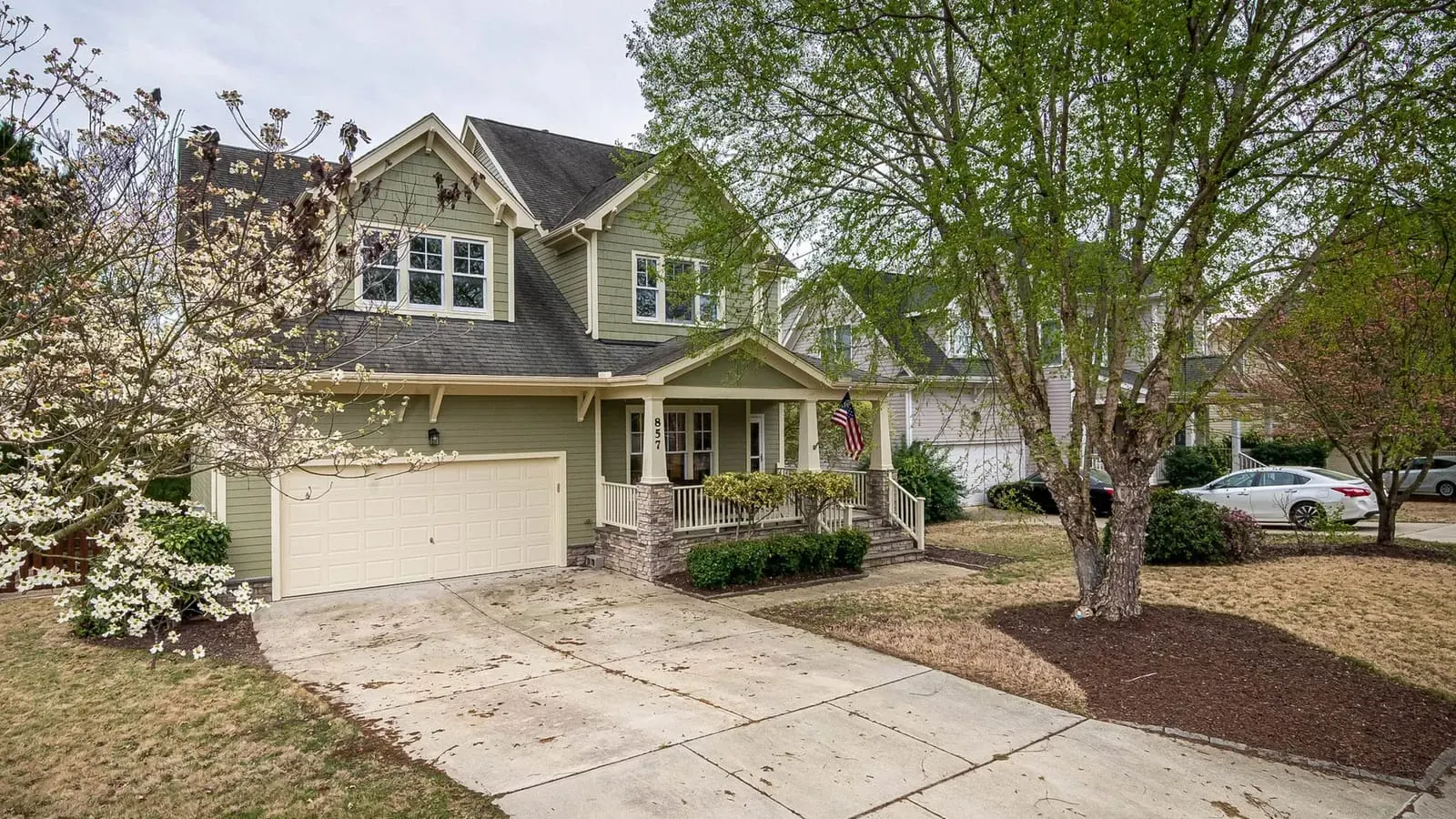
Landlords are often told they must wait for a lease to end before selling. That is not right. You can sell at any point. What you cannot do is sell the lease away — it transfers with the property, and the new owner inherits the tenant on the existing terms.
Does the lease survive a sale in Texas?
Yes. A valid lease runs with the property, so the buyer steps into the landlord's shoes for whatever term remains. A fixed-term lease with eight months left means the buyer has a tenant for eight months at the agreed rent, whether they wanted one or not.
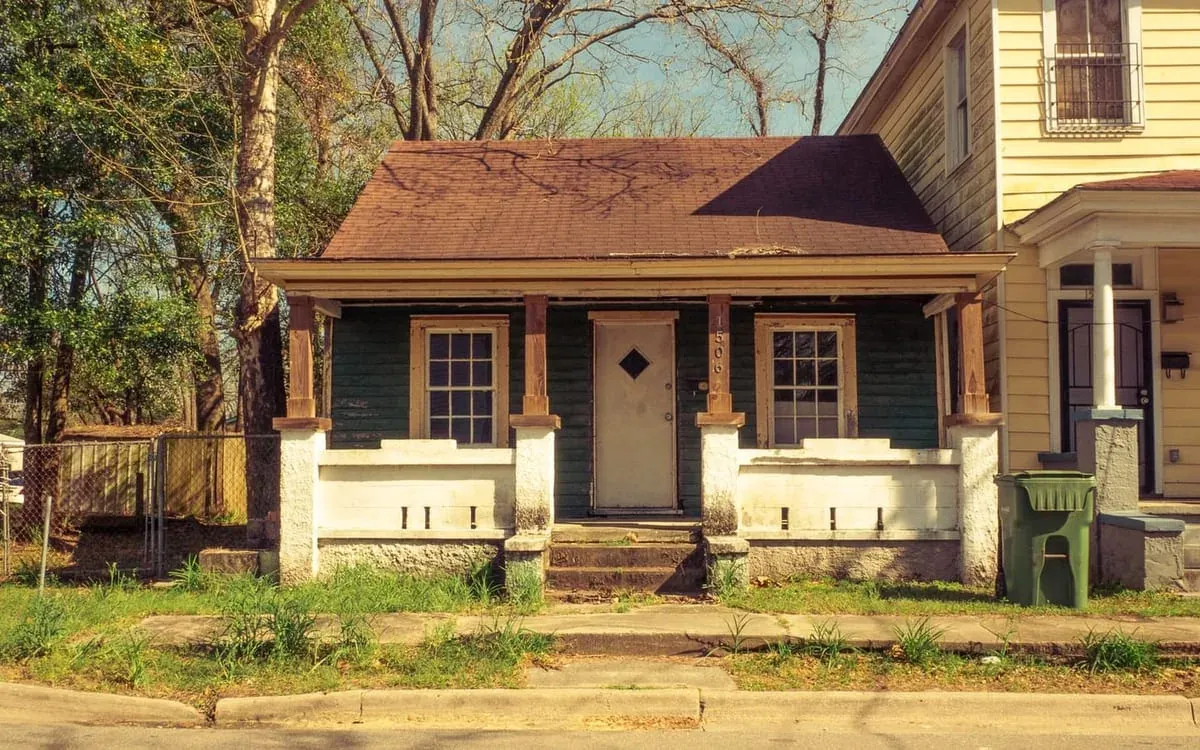
Month-to-month is more flexible, because it can be terminated on proper notice after closing. That difference alone changes how many buyers will look at the property.
Who will actually buy a tenanted house?
Investors, mostly, and that shrinks the pool considerably. An owner-occupier cannot move into a house with a tenant in place, and their lender may balk at financing a property they cannot occupy within the required window. So the buyers who remain are people who want the income — which means they will price it on the rent roll, not on what the house would fetch empty.
If the rent is below market, that hurts twice: the income is lower and the buyer knows they are locked into it.
Do you have to tell the tenant?
You have to respect the lease, which almost always governs entry. Showings require notice in the manner the lease specifies, and a tenant who is not being kept informed has every incentive to be unhelpful about access — which is a practical problem long before it is a legal one.
Telling them early, and explaining that the lease protects them, usually produces far better cooperation than a surprise lockbox.
What happens to the security deposit?
It has to be dealt with at closing, and it is a common loose end. Ordinarily the deposit is transferred to the buyer, who then carries the obligation to return it at the end of the tenancy. What must not happen is the seller quietly keeping it, because the tenant's claim survives the sale and lands on whoever is holding the bag.
Get the treatment of the deposit written into the contract rather than assumed.
What if the tenant has stopped paying?
Then you have two problems and they are worth separating. An eviction takes time, and in Texas the process is faster than in many states but still not instant. Selling with a non-paying tenant in place is possible, but you are asking the buyer to absorb the eviction, and they will price that in heavily.
Some sellers complete the eviction first for a better price; others take the discount to be rid of the situation. Which is correct depends on how long you can carry a property that is producing nothing.
Is it worth waiting for the lease to end?
Sometimes. A house that will be vacant in two months, in good condition, in a strong market, is usually worth more sold empty to an owner-occupier. A house with a long lease at below-market rent, or a tenant who is not paying, or deferred maintenance the tenant has been living around, rarely improves by waiting.
We buy tenanted properties across the state and do not require possession at closing. If you need to sell my house fast in Austin without ending the tenancy first, or want to understand what selling a tenant-occupied house in Texas involves, the lease terms are the first thing to look at.
House Buyers Texas buys houses; we are not attorneys and this is not legal or tax advice. Texas probate turns on facts specific to your situation, and a probate attorney or CPA is worth the consultation before you commit to a route.