
Selling a Texas House With Foundation Problems
Clay soil moves, slabs crack, and financed buyers disappear. What actually happens when you try to sell a house with foundation issues.

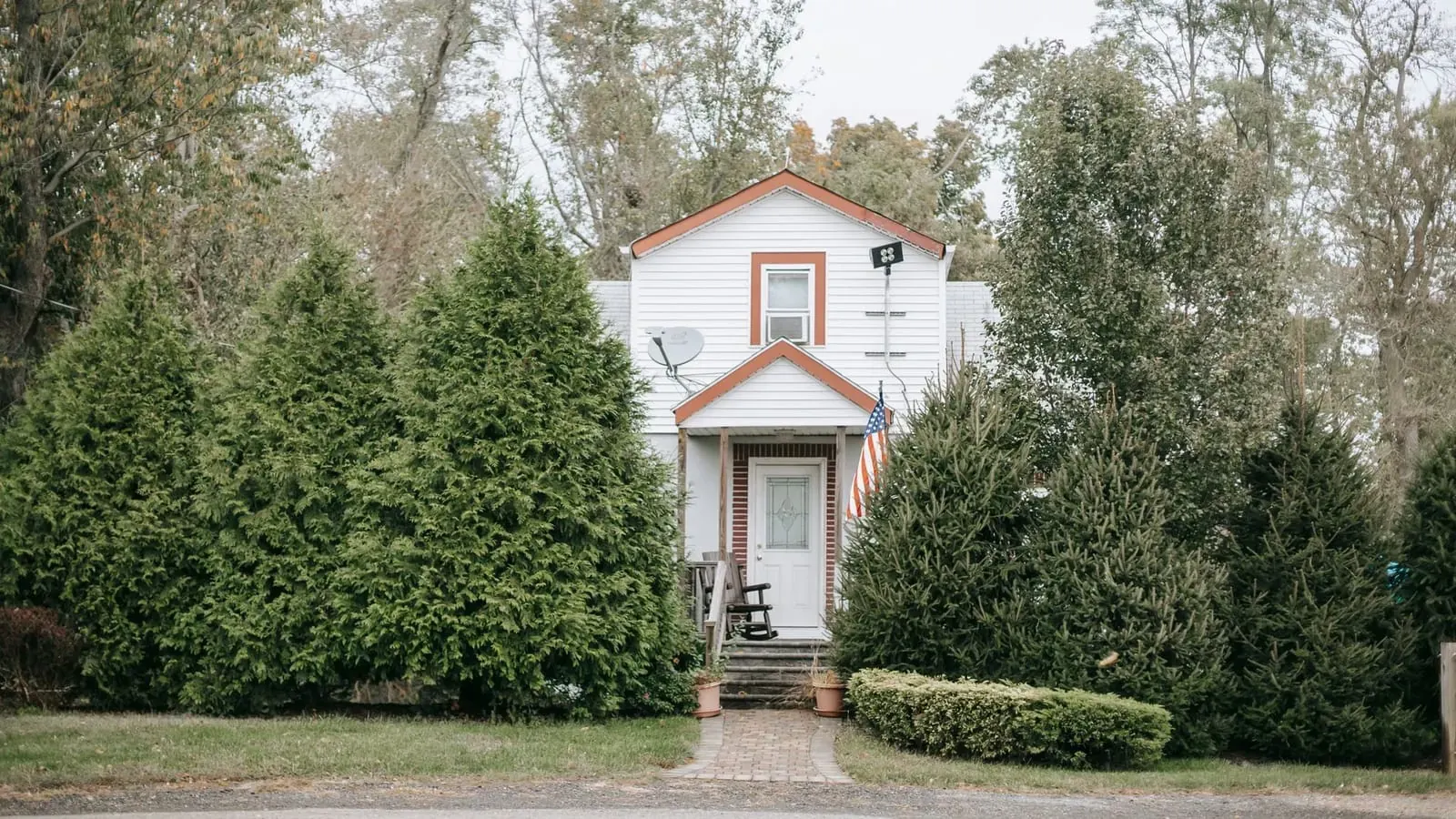
Large parts of Texas sit on expansive clay. It swells when it rains and shrinks in drought, and it does that under slabs that were never designed to move. The result is the single most common serious defect in Texas housing stock, and the one that most often ends a sale after the inspection rather than before it.
Will a lender refuse a house with foundation damage?
Often, yes — and that is usually what kills the sale rather than the damage itself. A conventional lender orders an appraisal, the appraiser notes visible structural movement, and the loan is conditioned on repair before closing. FHA and VA are stricter still. The buyer wants the house, the lender will not fund it, and nobody has the money to fix it first.
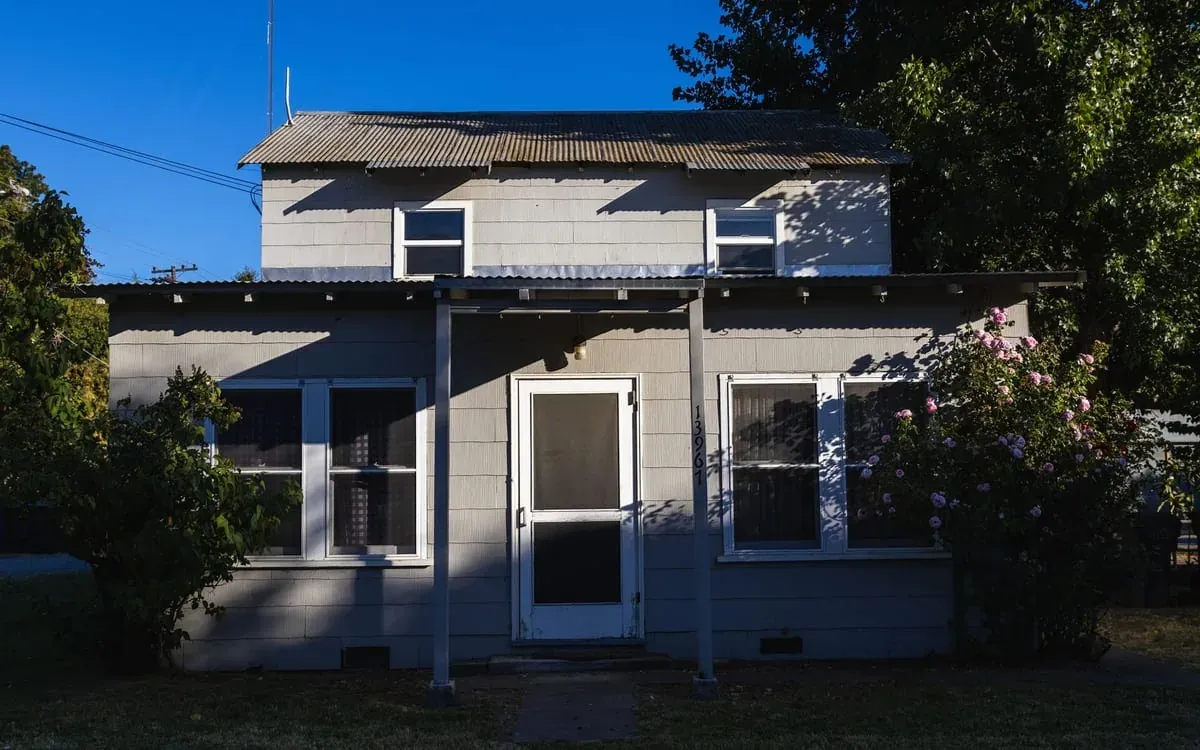
That is why houses with foundation issues sell to cash buyers so often. It is not that retail buyers do not want them. It is that their financing will not permit it.
How do you tell cosmetic movement from a real problem?
Every Texas house moves a little and hairline cracks in drywall are normal. The signals that suggest something structural are doors and windows that stick or no longer latch, cracks wider than about a quarter inch, cracks that run diagonally from door and window corners, gaps opening between walls and ceilings, and floors that are visibly out of level across a room.
Exterior brick tells you a lot too. Stair-step cracking in the mortar joints, especially near corners, is a common sign that one part of the slab has dropped relative to another.
Should you get an engineer's report before selling?
It depends who you are selling to. For a retail sale it is often worth it, because a structural engineer's letter turns an unknown into a defined scope, and buyers price unknowns far more harshly than they price known repairs. For a cash sale it matters less, because the buyer is bringing their own assessment either way.
What an engineer's report does not do is make the problem cheaper. It tells you what you are dealing with, which is worth knowing before you decide whether to repair or sell.
Is it worth repairing the foundation first?
Rarely, and the arithmetic is the reason. Foundation work is expensive, disruptive, and frequently uncovers plumbing damage underneath — slab movement breaks pipes, and a repair that starts as piers can turn into a tunnelling job. Sellers who commit to repair often end up spending materially more than the original quote.
There is also a disclosure consequence. Once the work is done you have a repaired foundation with a documented history, which some buyers treat as a red flag regardless of the warranty. You have spent the money and not fully removed the objection.
What do you have to disclose in Texas?
Texas requires a seller's disclosure notice on most residential sales, and it asks directly about known structural defects and previous repairs. Known is the operative word. If you have an engineer's report, a repair invoice, or you have seen the cracks yourself, that is knowledge and it belongs on the form.
Selling as-is does not remove the disclosure obligation. As-is describes who pays for repairs, not what you are allowed to leave unsaid.
What does a cash buyer actually look at?
The extent of movement, whether plumbing is likely affected, and what the house is worth once it is right. A buyer who does this regularly has a repair contractor and a number in mind before they walk in, which is why the offer arrives quickly and why it does not disappear after an inspection.
We buy houses with foundation problems across the state, and it is one of the most common reasons owners contact us. If you want to sell my house fast in Dallas without repairing it first, or you want to understand what selling a house as-is in Texas actually means for a structural issue, both start with the same conversation about what the house needs.
House Buyers Texas buys houses; we are not attorneys and this is not legal or tax advice. Texas probate turns on facts specific to your situation, and a probate attorney or CPA is worth the consultation before you commit to a route.