
Selling an Inherited House in Texas: What Actually Happens
The house is yours on paper the moment someone dies. Selling it is a different question, and the answer depends on how title moves.

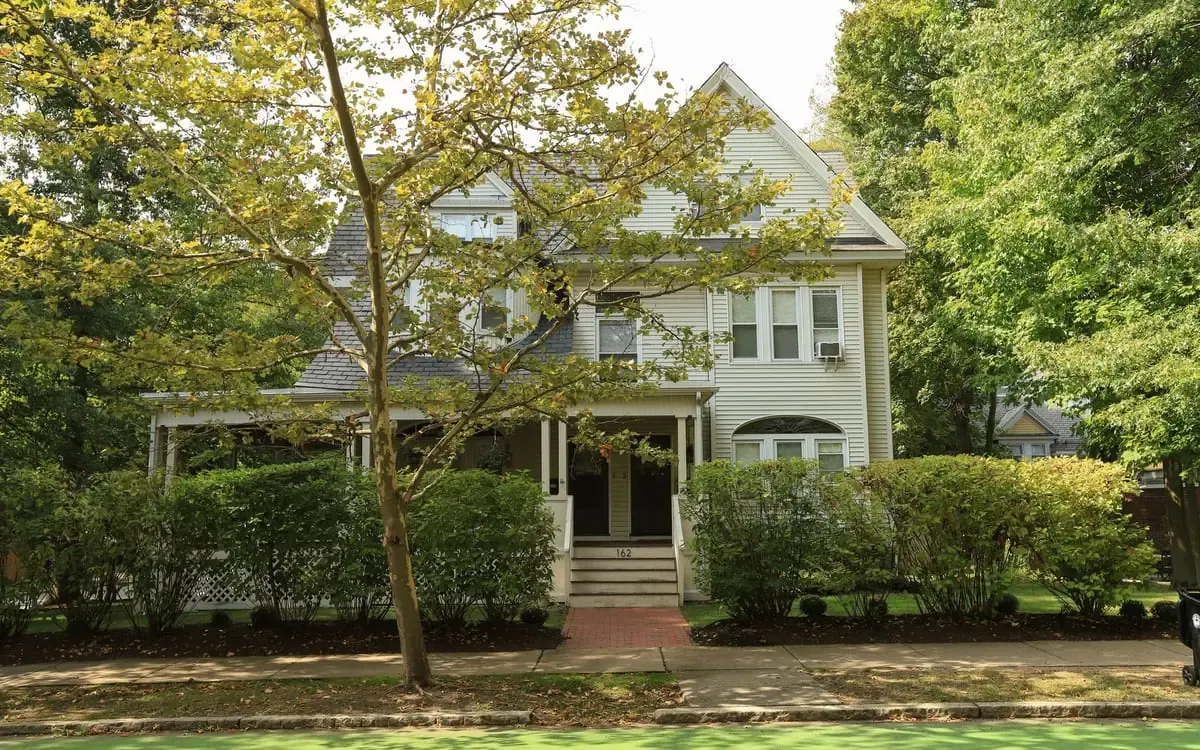
When a Texas homeowner dies, the house passes to their heirs immediately under state law. That surprises people, because it does not mean you can sell it. A title company will not insure a sale until there is a document in the county records that proves who owns the property now, and getting that document is the whole job.
Can you sell an inherited house before probate in Texas?
Usually not, and the obstacle is title insurance rather than the law. You may have a genuine ownership interest the day the previous owner dies, but a buyer's lender requires a title policy, and the title company needs a recorded instrument showing the chain of ownership. Without one, the sale stalls at closing no matter how willing both sides are.

There are three common ways to produce that instrument in Texas, and they differ enormously in cost and time. Which one applies depends on whether there was a will, whether the estate has debts, and whether every heir agrees.
What are the three routes to clear title?
Probating the will as a muniment of title. Texas offers something most states do not. If there is a valid will and the estate has no unpaid debts other than a mortgage, the court can admit the will purely as evidence of title without appointing an executor or opening an administration. It is comparatively quick and inexpensive, and the order itself becomes the document the title company relies on.
Independent administration. Texas is unusually friendly here too. If the will names an independent executor, or all heirs agree to one, the executor administers the estate with minimal court supervision. That avoids the repeated hearings and court approvals that make probate slow and expensive in other states.
Affidavit of heirship. Where there is no will, an affidavit signed by two disinterested witnesses who knew the family can be recorded in the county deed records. It does not adjudicate anything and a title company is free to reject it, but many will accept one that has been on record for a period of time. It is the cheapest route and the least certain.
How long does each route take?
A muniment of title is typically the fastest because it is a single hearing and an order. An independent administration takes longer because the executor must be appointed, notice must be published, and creditors get a window to come forward. An affidavit of heirship can be recorded quickly, but the delay comes afterward, when the title company decides whether to accept it.
Ask the title company which route they will insure before you choose one. They are the party that has to be satisfied, and their answer is more useful than a general timeline.
What if the heirs disagree?
This is the most common reason an inherited house sits empty for years. Where several siblings inherit equal shares, any one of them can refuse to sell, and the others cannot force a sale without filing a partition action. That is a lawsuit, it is slow, and it consumes a meaningful share of the property's value in fees.
The practical alternative is one heir buying out the others, which requires agreeing on a number. A cash offer is often used as the reference point in that conversation precisely because it is a firm figure rather than an estimate.
What does the house cost you while this runs?
An empty inherited house keeps generating expenses. Property taxes continue. Insurance gets harder and more expensive once a carrier learns the house is vacant, and some policies lapse automatically after a set vacancy period. Utilities have to stay on enough to prevent freeze damage. Someone has to mow, or the city will, and bill for it.
None of that is dramatic month to month. Over the eighteen months a contested estate can take, it adds up to real money against a house nobody is living in.
Should you repair it first?
Usually not, and inherited houses make the case clearly. Many have deferred maintenance accumulated over decades, and the repairs a retail buyer's lender will require are often structural rather than cosmetic. Paying for those out of pocket, before the estate has distributed anything, means heirs funding a renovation on a house they have not yet been paid for.
Selling as-is transfers that problem to the buyer. It comes at a discount, and whether the discount is worth avoiding the outlay and the months is the actual decision.
Where to start
Find out which title route your situation needs, because everything else follows from it. Then decide whether the estate can carry the house long enough for a retail sale, or whether a faster certain sale is worth more than a slower higher one.
We buy inherited houses across the state, including in sell my house fast in Houston, and we work with the estate's attorney rather than around them. Our guide to selling an inherited house in Texas covers what we look at when we price one.
House Buyers Texas buys houses; we are not attorneys and this is not legal or tax advice. Texas probate turns on facts specific to your situation, and a probate attorney or CPA is worth the consultation before you commit to a route.