
Sell House With Solar Panels in Texas: Owned vs. Leased Systems
Solar panels can help or complicate a Texas sale, and the difference is usually who owns them. Here is how owned, financed and leased systems work at closing.

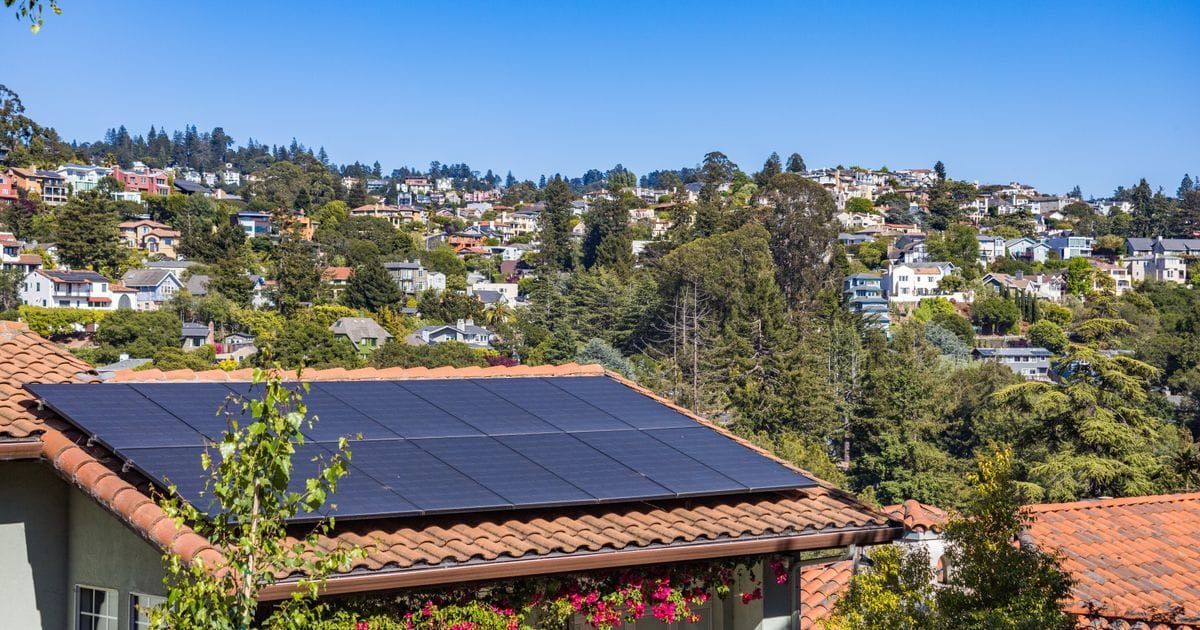
If you want to sell house with solar panels on the roof, the first thing a buyer will ask is a simple question: who owns them? Panels you own outright are part of the house. Panels that are financed or leased come with a contract, and that contract travels with the sale. Knowing which one you have, before you list, saves weeks.
Do solar panels make it harder to sell a Texas house?
They can, but mostly when the paperwork is unclear, not because of the panels themselves. Buyers and their lenders want to know what they are taking on. A system you own free and clear is straightforward. A system tied to a loan, lease or power purchase agreement raises questions the buyer needs answered before they will sign anything.
That is why people searching for how to sell house with solar panels often find the answer comes down to documents. Gather the install contract, any warranty papers and your recent utility statements before you talk to a single buyer.
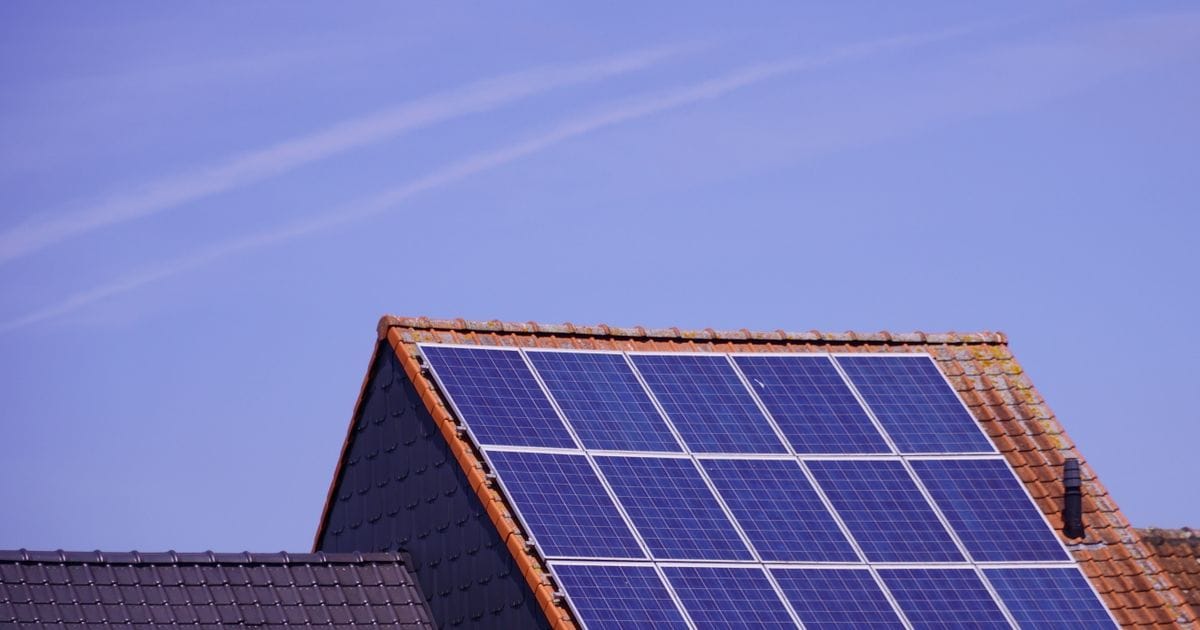
What changes when you sell house with solar panels that are owned, financed or leased?
Each setup works differently at closing, so identify yours first. An owned system with no loan simply stays with the house. A financed system comes with a loan, so ask your lender whether it has any claim on the equipment and how the payoff should be handled at closing. A lease or power purchase agreement usually means a company owns the panels, so ask it whether the buyer can take over the agreement or whether it must be ended.
Your original contract spells out which of these applies. Read the sections on transfer, early termination and whether the company can file anything against the property. If the language is hard to follow, ask the solar company to explain in writing.
How do you transfer a solar lease to a buyer?
Start by asking the solar company for its transfer process in writing. Ask whether it requires a credit review of the buyer, and how long the process takes, so you can begin early. A buyer who does not want a monthly payment attached to the house can walk away from the deal.
If the buyer will not assume the agreement, ask the company for a written buyout figure. Do not guess at the amount. Add that number to the rest of what you need to pay off so you know what you will actually walk away with.
Can a Texas HOA stop you from having or keeping solar panels?
Only in limited ways. Texas Property Code section 202.010 says an owners' association "may not include or enforce a provision in a dedicatory instrument that prohibits or restricts a property owner from installing a solar energy device," except in listed situations. Those include a roof-mounted device that extends higher than or beyond the roofline, or one installed without the association's required prior approval. So a vague HOA letter about your panels is not automatically valid. Read the actual restriction, and compare it to the statute.
Before you assume you are in trouble, ask the HOA to cite the exact rule it is relying on. This is general information, not legal advice, so a Texas real estate attorney can confirm how it applies to your lot.
What should you gather before you list a house with solar?
Pull together everything a buyer's agent, lender or appraiser could ask for. A tidy folder tells buyers the system was maintained and you have nothing to hide, and it often keeps a deal from stalling late in the process.
- The install contract and any lease, loan or power purchase agreement
- Warranty and monitoring account details
- Permit and utility interconnection paperwork
- Recent electric bills showing how the system performs
- Anything the solar company recorded against the property, if it did
If a document is missing, request a copy from the installer now rather than during the option period.
Is a cash sale easier when solar is involved?
It can be, because a direct buyer can look at the contract, factor the payoff or assumption into the offer, and decide without a financed buyer's extra steps. If you list with a financed buyer, ask the buyer's lender early how it treats a leased or financed system.
If you are weighing that route, one option is to ask for a written offer from cash for houses in Fort Worth buyers and compare it with listing. The team at House Buyers Texas works across the state, so the same questions apply whether your house is in Fort Worth, Dallas or a smaller town. Compare the net you would receive either way, after the solar payoff.
What is the practical plan?
Work in this order. Confirm who owns the system. Get the transfer rules or the payoff figure in writing. Check any HOA claim against the statute. Then decide whether the house is better listed with the panels as a selling point or sold quickly with the solar contract settled by the buyer or at closing.
Whichever path you pick, put every figure on paper before you commit. An unclear contract or an unanswered payoff question is what makes solar hard to sell around, so settle those first.