
Abandoned House Texas Guide: What Happens When an Owner Leaves It Empty
A house that sits empty after the owner moved out or died is still someone's responsibility. Here is what changes for insurance, authority and liens, and the steps worth taking first.

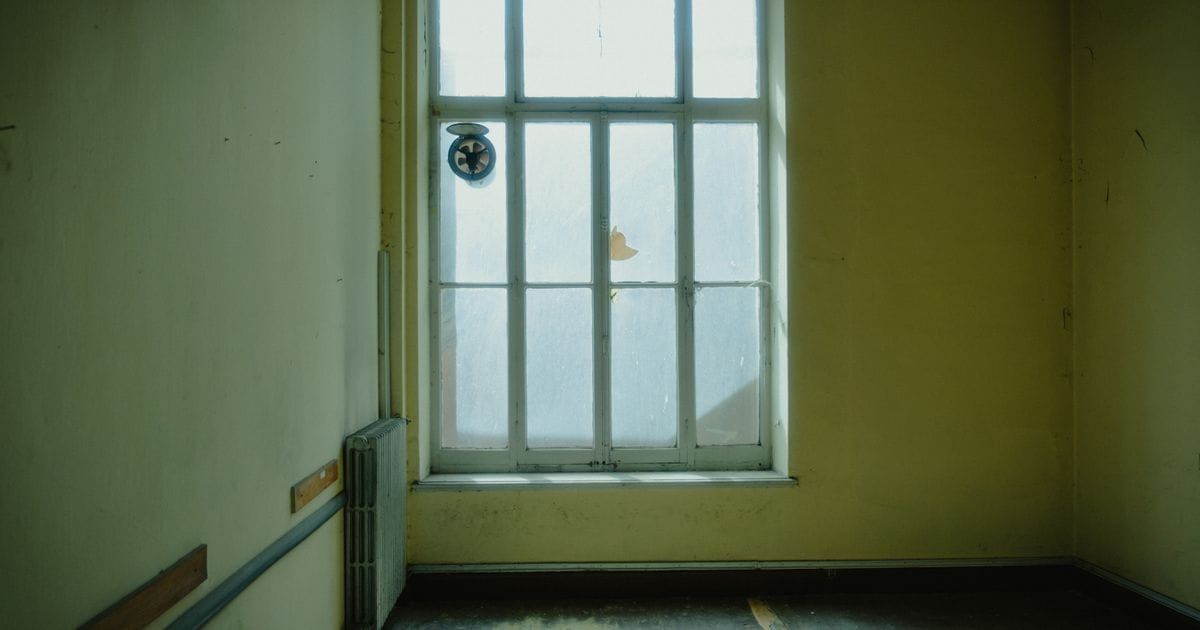
An abandoned house Texas neighbors point at is rarely abandoned in the legal sense. Someone still owns it, and that owner is still responsible for the roof, the insurance, the yard and every bill that arrives. Houses end up empty after a death, a move or a falling-out between heirs. This guide covers what changes once the lights go off and what to do about it.
Is an abandoned house Texas owners left empty still theirs?
Yes. A house that sits unoccupied is simply vacant, and the owner keeps title and every obligation that comes with it. Abandoned is what neighbors call it, not a change of ownership. Whether the owner still treats it as a home is a question of facts, not a label, so anyone unsure should ask a Texas attorney before assuming either way.
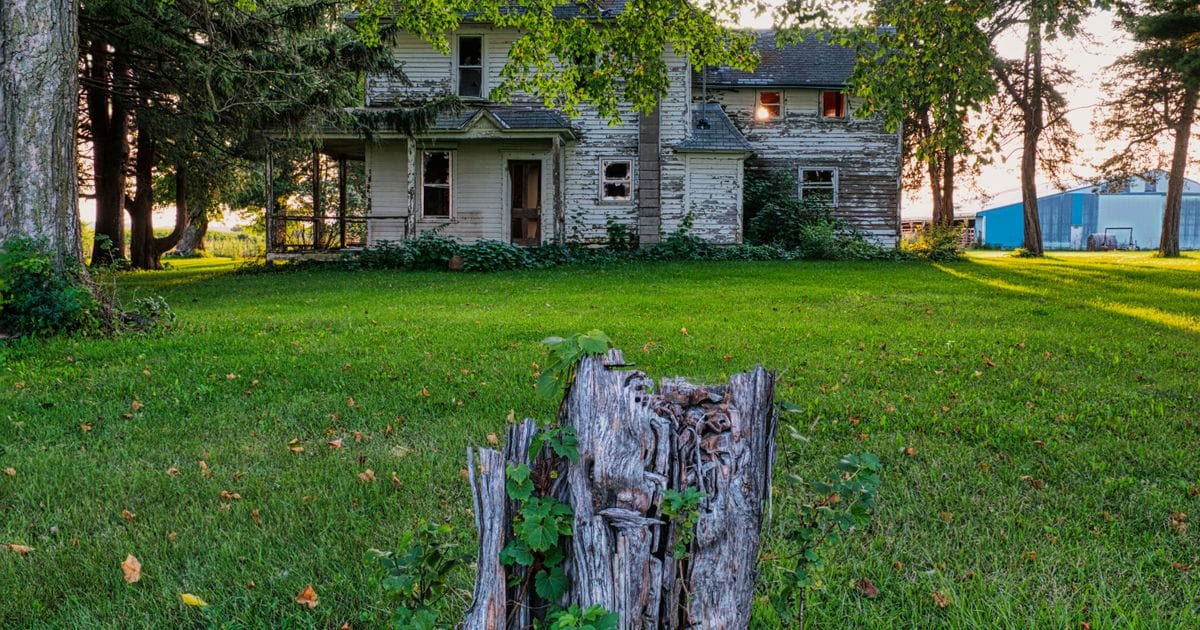
That distinction matters because most of the consequences below follow from the house being empty, not from anyone declaring it abandoned. Mail piling up, overgrown grass and dark windows signal to neighbors, and to anyone with bad intentions, that nobody is watching the property.
Does an empty house still need insurance?
Yes, and the empty label is what puts it at risk. The Texas Department of Insurance names vacancy of 60 days or more as a lawful reason to non-renew, and losses during a vacancy can fall outside standard coverage. Read your policy, call the insurer, say the house is empty and ask what they require. We cover the insurance, tax and carrying-cost details in our earlier post on selling a vacant house in Texas, so this guide stays on the questions that post leaves open.
Who can act when the owner died or cannot be reached?
When the owner has died, often nobody has legal authority yet. Until the estate is administered, no single heir can sell, sign an insurance claim or authorize a repair, so the house sits while family members work out who decides. That wait frequently runs a year or more, and the value lost while it sits can exceed whatever the disagreement was about.
The practical first step is to establish who has authority: a personal representative, an agreed heir group or a court-supported path. Ask a probate attorney which route fits your family. Until authority is settled, protect the house rather than waiting.
Can creditors reach a Texas house the owner moved out of?
They can, in some cases, because the homestead shield protects only a house the owner actually occupies and claims as home. A rental house, a lot never lived on, or a house the owner moved out of and no longer claims is not shielded, and a recorded abstract of judgment attaches to those parcels freely.
Whether a house still counts as homestead is a fact question, so do not assume the shield covers everything you own. Someone who moved into a care facility, or who left temporarily, may be in a different position from someone who left for good. Counsel should make that call before anyone relies on the shield or signs anything.
What should you do about an empty house this week?
Start with four actions that protect the house while decisions are made. Notify the insurer of the death or vacancy and confirm what the policy requires. Forward the mail and cancel deliveries so the house does not look abandoned. Ask a trusted neighbor to watch it and inspect it yourself after storms. Finally, remove valuables, documents and family items early.
Photograph the inside and outside before you change anything, and keep every receipt. Records like these help you explain the condition of the house to an insurer, an attorney or a buyer later.
What if the family decides to sell?
Settle authority first, because a buyer cannot close with someone who cannot sign. Once the person or group who can act is clear, a cash sale to a buyer who purchases as-is lets the family skip cleanout and repairs on a house nobody lives in, and it ends the exposure of an unwatched property.
If the house is in Allen, a team that says we buy houses in Allen may be worth a call for a no-obligation offer, and homeowners in the metroplex can also compare cash for houses Dallas options. Compare any offer to your carrying costs and your authority to sign first.
This post is general information, not legal advice. Texas insurance, estate and lien rules depend on your facts, so talk to a Texas attorney or your insurer before acting.