
Selling a House With a Shared Well in Texas
Selling an Athens-area house that shares a well with a neighbor takes some extra paperwork. Here is what to gather before you sell, and what the Texas seller's disclosure asks about your water.

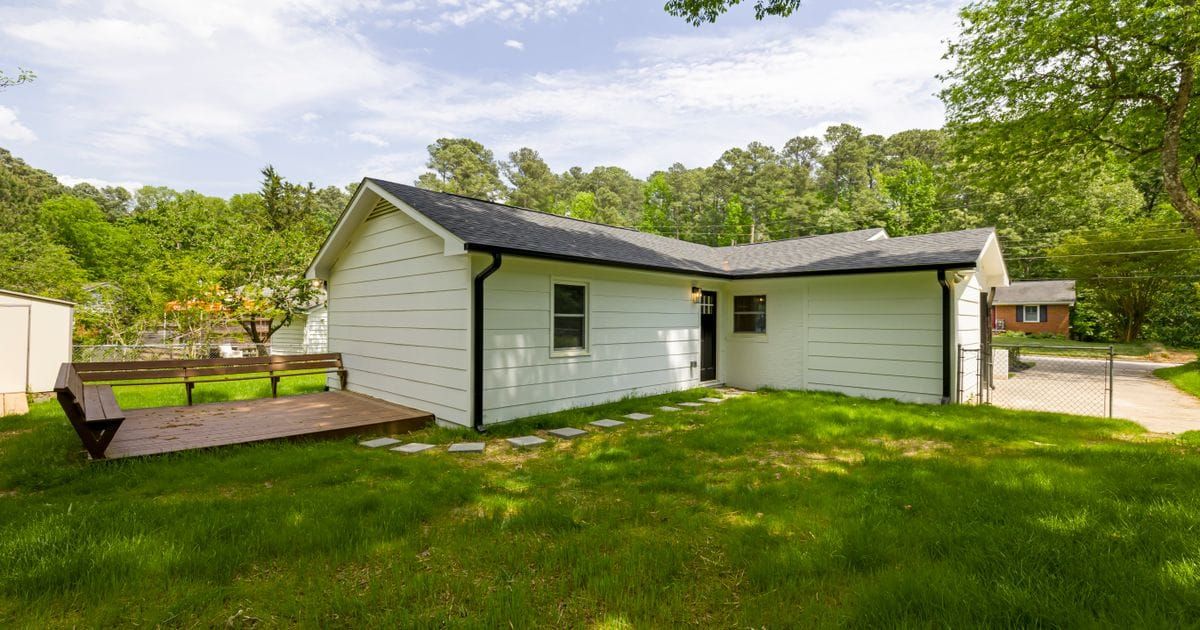
Selling a house with a shared well raises questions a city-water sale never does. Who owns the well? Who pays when the pump fails? Is the water safe, and can a buyer get a loan on it? On a rural lot, a single well can serve two homes, sometimes under a written agreement and sometimes under a handshake from decades ago. This guide walks through what to gather before you list, what the Texas seller's disclosure asks, and where buyers tend to get stuck.
What is a shared well agreement, and do you have one?
A shared well agreement is a written document that sets out who may use a well that serves more than one property, and on what terms. A good one names the properties, says where the well and the lines sit, and explains how repair and electric costs are split. Some are recorded in the county property records; others live in a kitchen drawer, or nowhere at all.
Start by checking. Look through your closing papers and your title policy from when you bought, and ask the neighbor what they have. If the arrangement was never written down, that is worth knowing now rather than in the middle of a sale. A real estate attorney can tell you whether a document should be drafted and recorded before you list.
What does the Texas seller's disclosure ask about a well?
The Texas seller's disclosure asks you to say where your water comes from: city, well, MUD or co-op. Section 5.008 of the Texas Property Code requires most sellers of a single-family home to give the buyer this written notice, and the form also asks whether you know of any listed item, including the water supply, that is not working, has a known defect or needs repair.
Several other questions on the form can touch a shared well. It asks whether you know of any common area co-owned in undivided interest with others, any unplatted easements, and whether any part of the property sits in a groundwater conservation district. If you do not know an answer, the statute lets you say so on the form, and marking it unknown keeps you in compliance. Guessing does not help anyone.
Timing matters too. The notice is due on or before the effective date of the contract. If a buyer signs without it, the statute gives that buyer seven days after receiving the notice to terminate for any reason. Some transfers are exempt, such as sales under a court order, sales by an executor or other fiduciary settling an estate, and transfers between co-owners. Even then, the buyer's lender may still want the disclosure before it will fund.
Should you test the well water before selling?
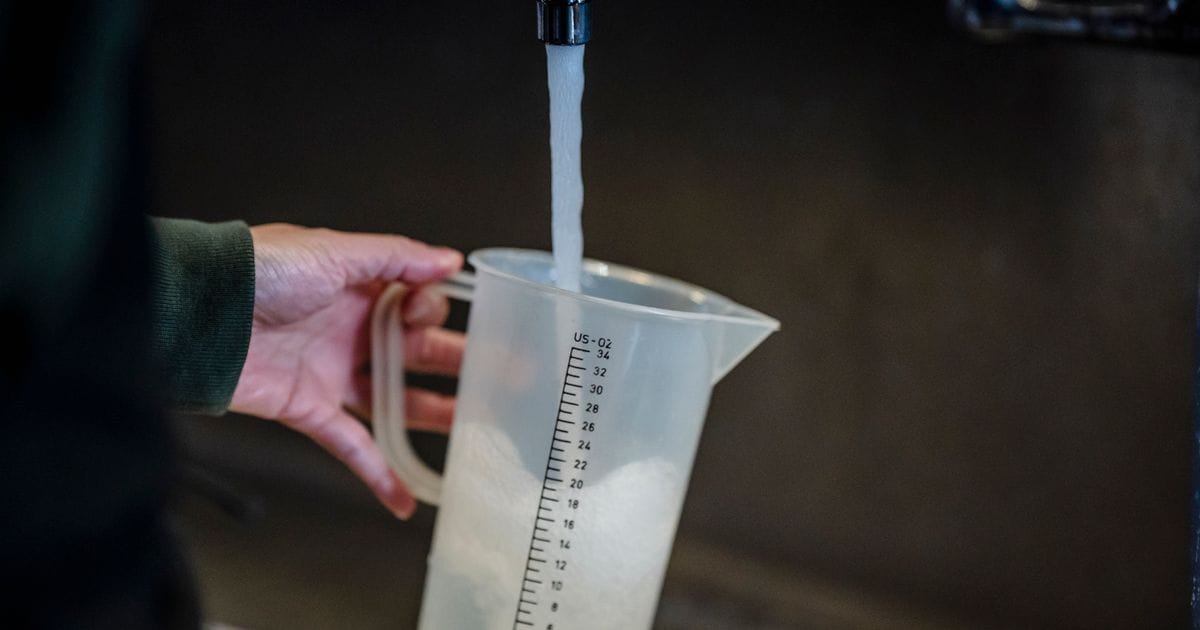
Testing the water before you list is usually the better order of operations. A test you ordered on your schedule tells you where you stand; a test a buyer orders during the option period can surprise you when there is little time left to respond. Ask a laboratory which tests a home sale normally calls for, and keep the dated report with your other sale papers.
With a shared well, talk to the neighbor before anyone draws a sample. Testing touches their water too, and a result that needs treatment raises the question of who pays for it. If your agreement covers water quality, follow it. If it does not, get the neighbor's agreement in writing before you spend money on a fix that serves both homes.
What will a lender ask when selling a house with a shared well?
What a buyer's lender will ask about a shared well is a question only that lender can answer, so put it to the buyer's loan officer directly. Have the shared well agreement and any water test results ready to hand over, since those are the papers that describe the well. Ask early, ideally as soon as an offer comes in, so a missing document does not surface the week of closing.
The questions tend to be practical ones. Does the agreement run with the land, so it binds whoever owns each house next? Is there a recorded easement for the well and the water line? Who decides on repairs? If your paperwork cannot answer those, the buyer, their title company or their lender may ask, so give yourself time to work through them with an attorney.
What if the paperwork is missing or the neighbor will not cooperate?
A missing agreement or an uncooperative neighbor does not make the house unsellable, but it leaves questions a financed buyer will want answered. Some owners settle it first: an attorney drafts an agreement, both owners sign, and it gets recorded. That route takes the neighbor's cooperation, and sometimes it takes time you may not have.
Other owners decide the paperwork fight is not worth having. A cash buyer is not borrowing from a lender, so there is no lender checklist to satisfy, although the buyer will still want honest answers about the well. That is the route behind a search like sell my house fast in Athens from an owner who would rather not sort out the well first, because it skips the loan questions. If your shared-well house sits on the edge of the metro instead, selling to fast cash home buyers in Dallas follows the same no-lender logic.
How do you prepare a shared-well house for sale?
Preparing a shared-well house for sale comes down to collecting paper before a buyer asks for it. Gather the well agreement, any recorded easement, recent repair receipts for the pump or pressure tank, and any water test results you already have. Note where the well and the shared line are on a simple sketch of the lot.
Then fill out the seller's disclosure carefully, describing the shared well in plain words and marking unknown where you truly do not know. Tell the neighbor you plan to sell, because a buyer or inspector may need access to the well head. A file that answers the obvious questions up front keeps a sale moving.
This article is general information, not legal advice. For a question about your well agreement, easement or disclosure, talk to a Texas-licensed real estate attorney.