
Selling a House in San Antonio When Time Matters
Selling a house in San Antonio isn’t always a straightforward process. When timelines, property condition, or life circumstances complicate a traditional sale, understanding alternative paths can help homeowners make clearer, more confident decisions.

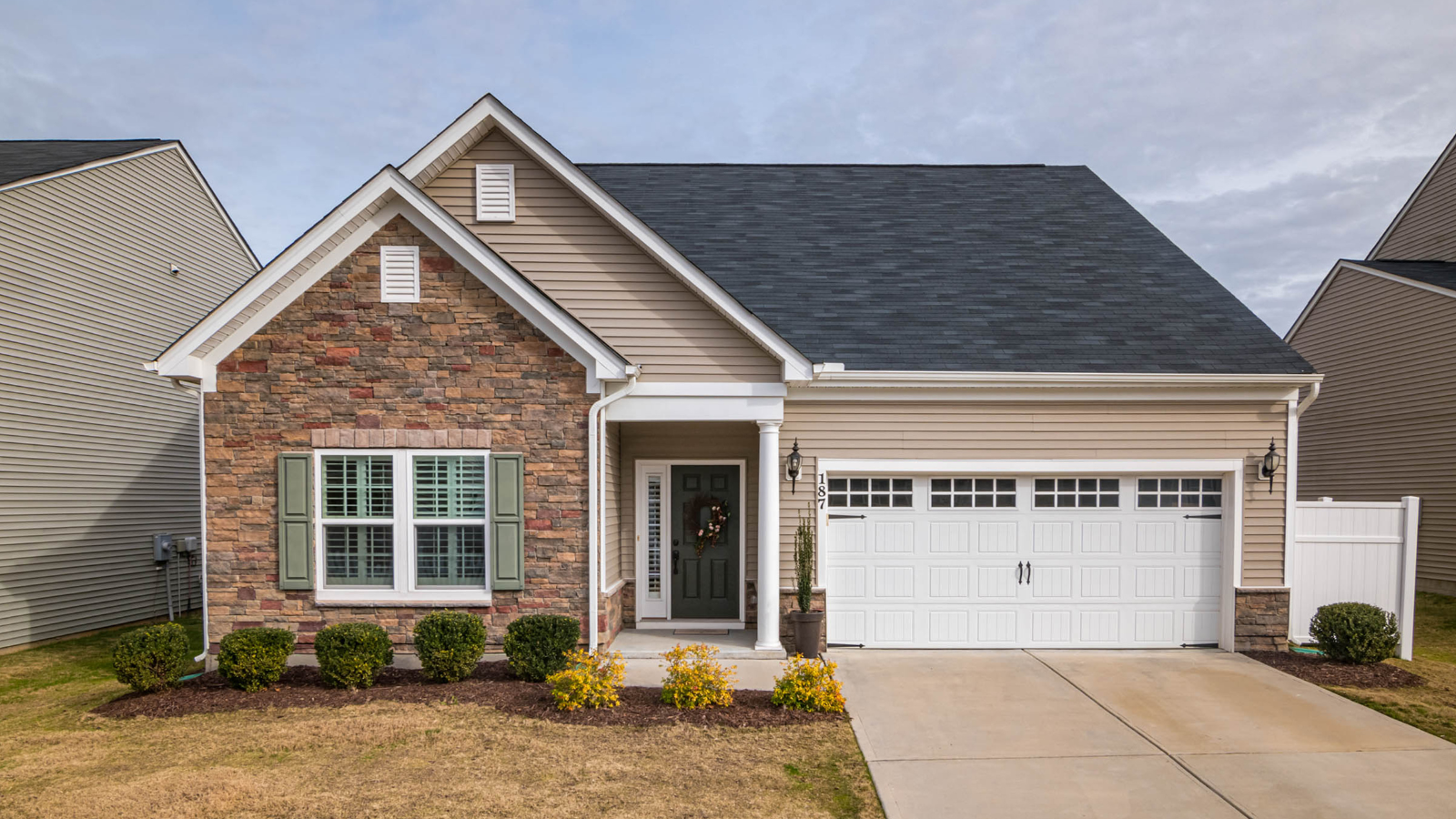
Selling a home in San Antonio is often presented as a predictable process: list the property, wait for a buyer, and close when financing is approved. For many homeowners, however, the reality is far more nuanced. Property condition, timing constraints, legal considerations, and personal circumstances frequently introduce challenges that make a standard listing impractical.
When speed or certainty becomes more important than maximizing price, understanding how different sale options work can reduce stress and prevent costly missteps.
Why Traditional Home Sales Can Be Unpredictable
San Antonio’s housing market includes a wide range of property types, from newer developments to older homes that may require significant updates. While many homes sell smoothly through traditional channels, others encounter delays that sellers don’t anticipate at the outset.
Inspections often uncover deferred maintenance that wasn’t obvious during initial walkthroughs. Appraisals may fall short of contract prices, especially in neighborhoods with mixed housing conditions. Financing delays or denials can push closing dates back—or derail transactions entirely.
For homeowners facing deadlines tied to relocation, financial pressure, or legal obligations, these uncertainties can quickly turn a routine sale into a prolonged ordeal.
When Speed Becomes a Practical Concern
Speed in a home sale is rarely about convenience alone. In San Antonio, homeowners often prioritize faster sale options when circumstances leave little room for flexibility. Inherited properties may need to be resolved before an estate can be settled. Divorce proceedings can require the sale of a shared home within a defined timeframe. Vacant properties may accumulate ongoing costs related to taxes, insurance, and maintenance.
In other cases, homeowners may be managing properties that no longer fit their financial or personal situation. The longer a sale drags on, the greater the exposure to unexpected expenses and risk.
Understanding Alternatives to a Traditional Listing
When a traditional sale isn’t feasible, some homeowners explore alternative paths that simplify the transaction. These approaches typically focus on selling the property in its current condition, without repairs or prolonged market exposure.
Rather than relying on buyer financing and extended negotiations, these sales emphasize defined terms and predictable timelines. The tradeoff is not about eliminating value, but about choosing certainty over speculation.
For many sellers, especially those under time pressure, knowing exactly when a transaction will close—and under what conditions—can outweigh the potential upside of waiting for an ideal retail offer.
What Selling “As-Is” Really Means
Selling a home as-is does not mean avoiding disclosures or bypassing legal responsibilities. In Texas, sellers are still required to provide accurate information about known conditions. An as-is sale simply means the seller is not committing to make repairs or updates as part of the transaction.
This approach is common for properties with significant wear, outdated systems, or structural concerns that would otherwise delay or complicate a retail sale. It is also common when sellers lack the time or resources to prepare a home for the open market.
Understanding this distinction helps homeowners evaluate whether an as-is sale aligns with their situation without assuming it is inherently risky or unfair.
How Property Value Is Evaluated Outside the Retail Market
In a traditional sale, pricing is often based on what a home could sell for after repairs, staging, and favorable market conditions. In faster or non-traditional sales, valuation tends to focus on present realities.
Factors such as current condition, required repairs, neighborhood demand, comparable sales, and holding costs all play a role. Importantly, this evaluation also accounts for time—both the time required to sell traditionally and the risks associated with waiting.
While this approach may yield a different outcome than a fully renovated retail sale, it offers clarity. For homeowners facing uncertainty, that clarity can be critical.
Market Conditions and Risk in San Antonio
San Antonio’s real estate market is influenced by neighborhood-specific dynamics, seasonal trends, and broader economic conditions. Even in periods of strong demand, individual transactions can falter due to financing issues, inspection disputes, or appraisal challenges.
Faster sale options reduce exposure to these variables by simplifying the transaction structure. By minimizing contingencies and removing reliance on third-party approvals, sellers reduce the number of points where a deal can break down.
Choosing the Right Path Forward
There is no universal solution when selling a house in San Antonio. The best approach depends on a homeowner’s priorities, constraints, and tolerance for uncertainty. For some, listing traditionally remains the right choice. For others, particularly when time, condition, or complexity are factors, alternative paths may offer a more manageable outcome.
House Buyers Texas works with homeowners across Texas, including San Antonio, who are navigating time-sensitive or non-traditional property situations. Even for those who ultimately choose a different route, understanding how these options function can bring clarity to a decision that often feels overwhelming.